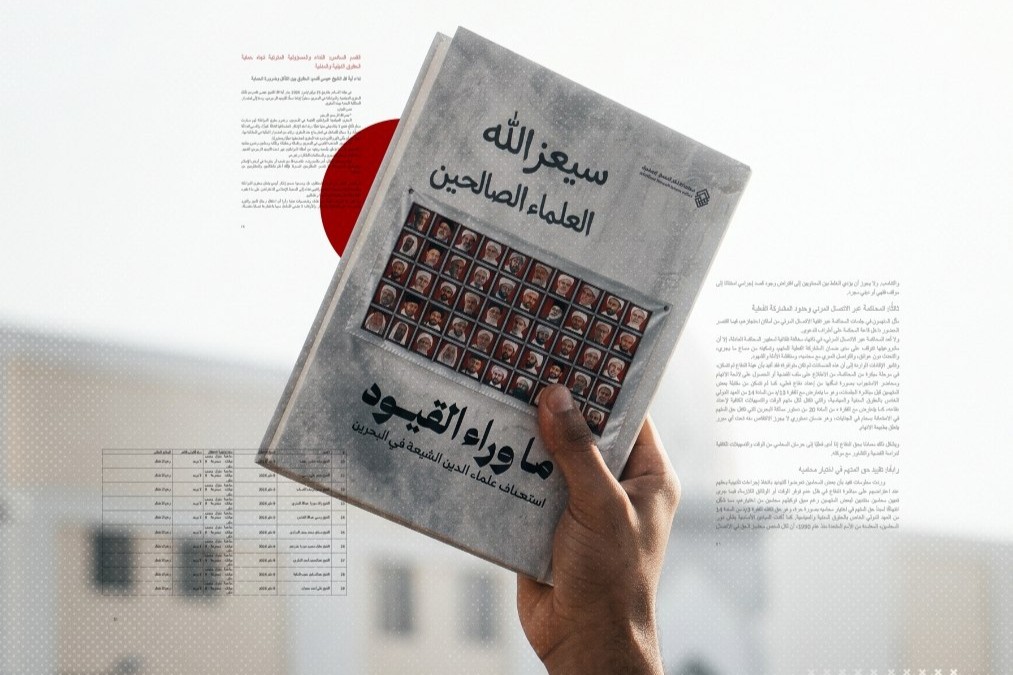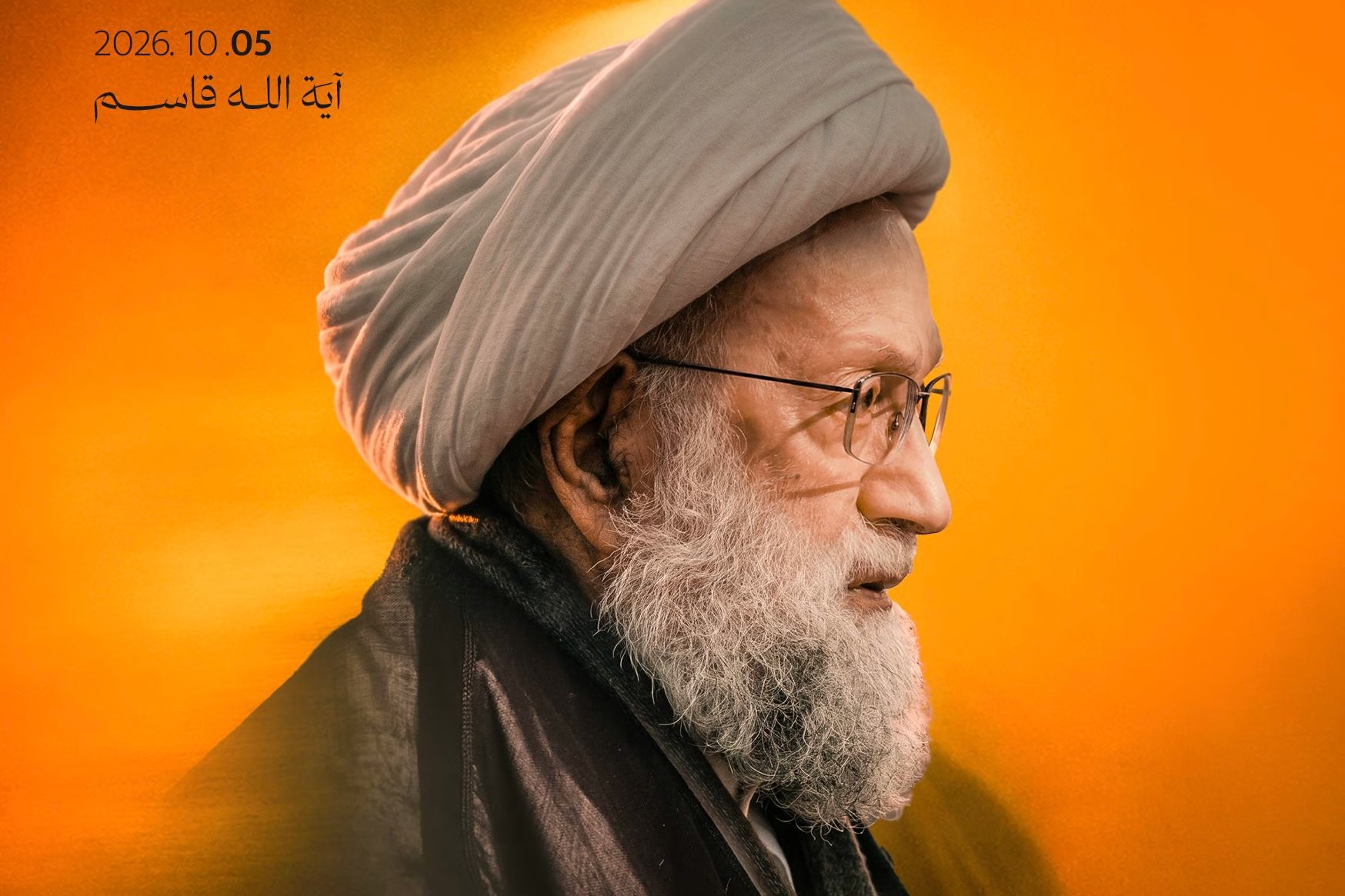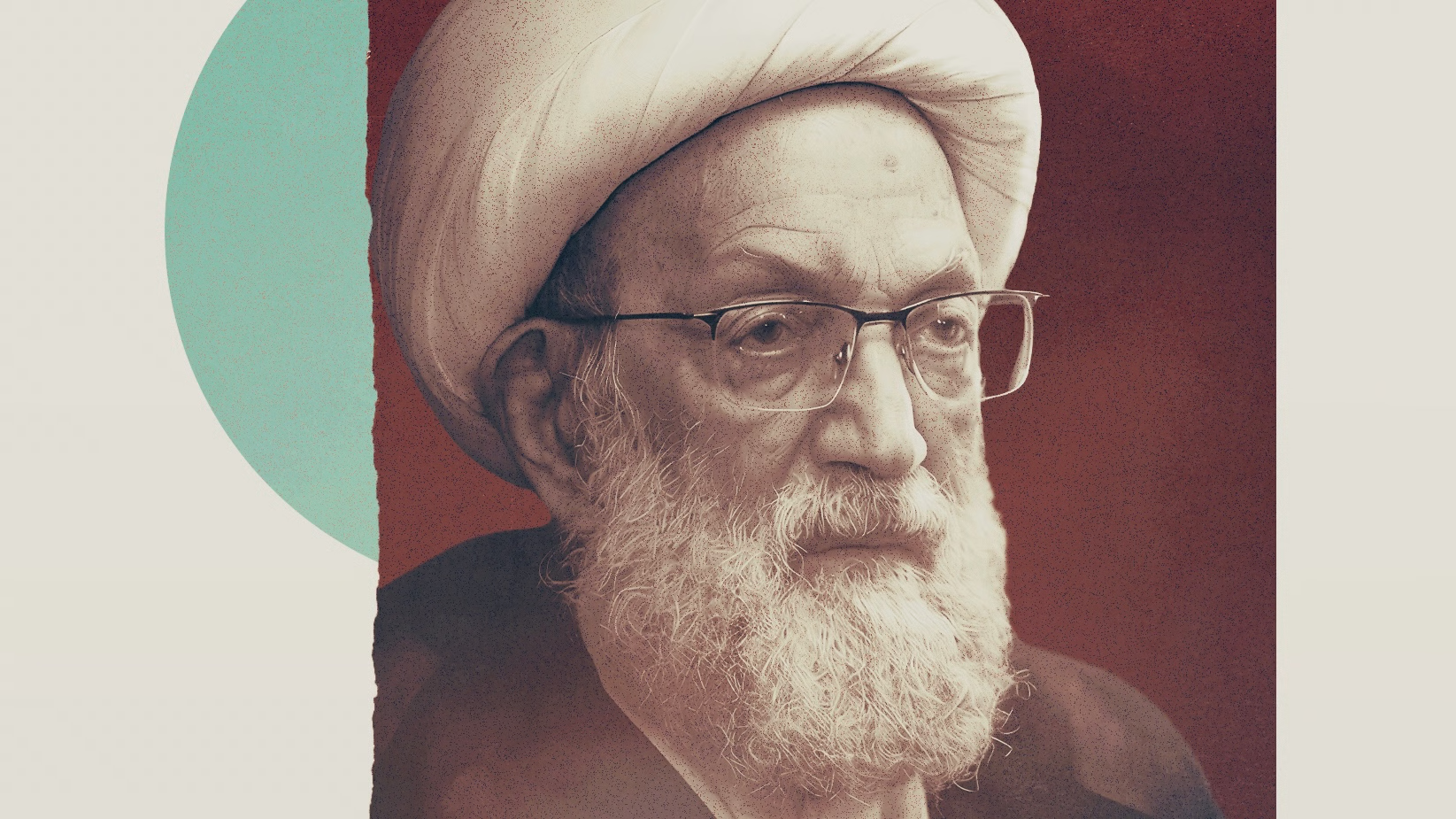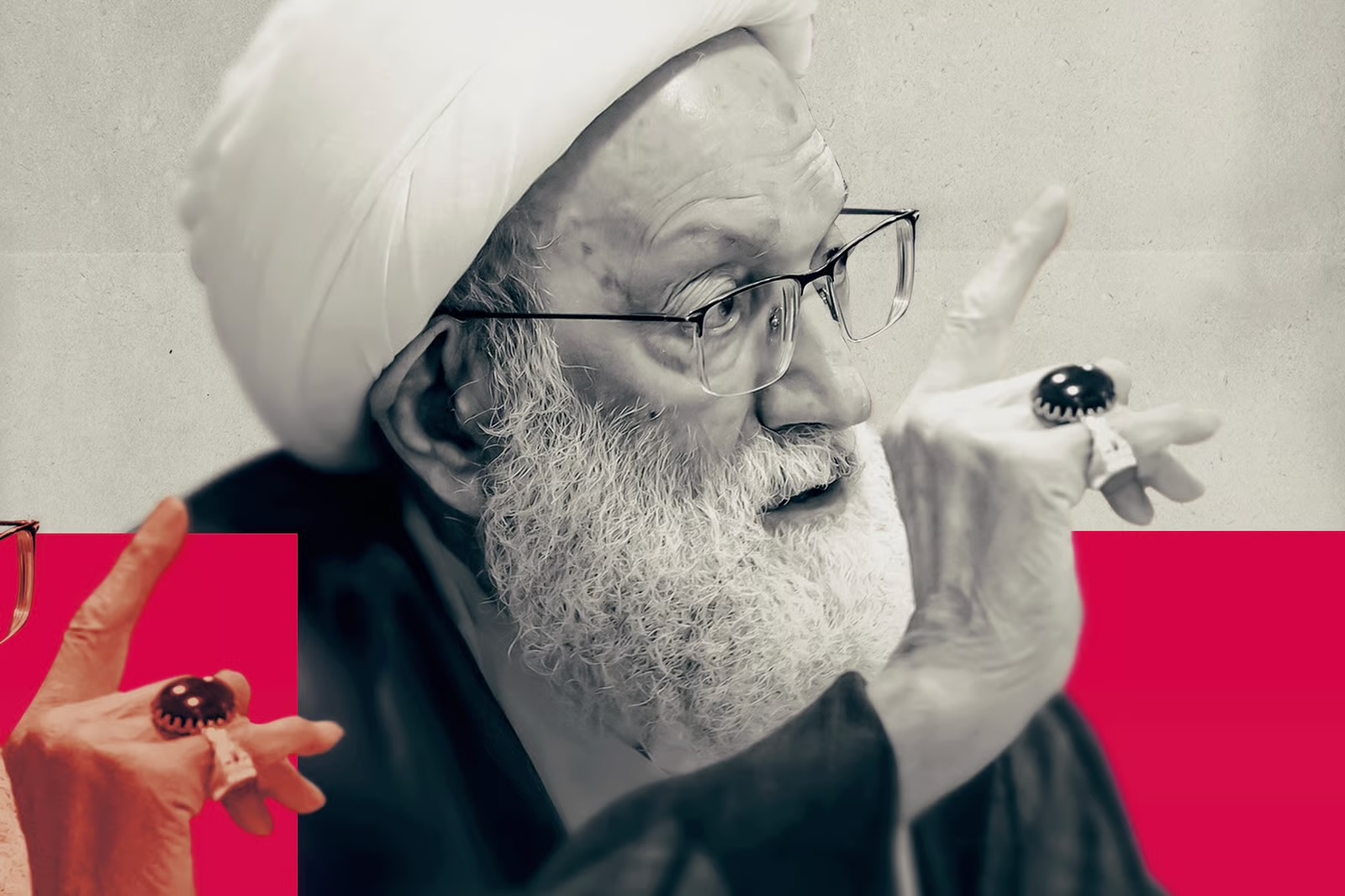

The Al-Wefaq National Islamic Society’s report, Beyond the Bars, examines the arrest and detention of Shia religious scholars in Bahrain in 2026, highlighting serious human rights violations, restrictions on religious freedom, and concerns regarding judicial procedures.
Al Wefaq situates these developments within a broader historical pattern of political tensions and restrictions affecting Bahrain’s Shia community and its religious institutions.
According to the report, 60 Shia religious scholars were arrested between the beginning of the war against Iran on February 28, 2026, and the report’s publication.
Al Wefaq also documents the revocation of citizenship from 69 individuals, including members of Shia families.
The society maintains that these developments cannot be understood solely as a response to regional conflict, but must be examined in the context of decades of political and religious tensions.
The report traces this history through several significant periods, including the political unrest of the 1990s, the protests of 2011, the dissolution of the Islamic Scholars Council in 2014, and the escalation of confrontation with religious and political figures between 2016 and 2017.
It identifies restrictions on religious gatherings, Ashura commemorations, religious sermons, and the activities of religious institutions as recurring concerns.
A central section examines physical and psychological abuse during detention. These include beatings, verbal and sectarian insults, prolonged blindfolding, restraints, inadequate access to medication, and pressure to sign interrogation records.
The report gives particular attention to prominent scholars, including Sheikh Mohammed Sanqour, whose reported testimony before the court raised allegations of torture and coercion.
The report also questions the fairness of the judicial proceedings, citing concerns about coerced or inaccurate confessions, restricted access to lawyers, limited opportunities to challenge evidence, the treatment of witnesses, and the possible use of religious lectures, publications, and legitimate religious activities as evidence of criminal conduct.
The report assesses these serious violations against Bahrain’s constitutional guarantees and national legislation, alongside international standards, including the International Covenant on Civil and Political Rights, the Convention against Torture, and the United Nations Standard Minimum Rules for the Treatment of Prisoners.
It calls on Bahraini authorities to investigate allegations of torture independently, ensure access to legal counsel and appropriate medical care, exclude evidence obtained through torture, review detention and financial restrictions, and guarantee freedom of religion and fair trials.
Finally, Al Wefaq urges the international community and relevant United Nations mechanisms to monitor the situation, press for accountability, and help protect detainees from further abuse.
Wefaq Newsroom • English Edition
Al Wefaq’s Report: Beyond the Bars — The Detention of Shia Religious Scholars in Bahrain