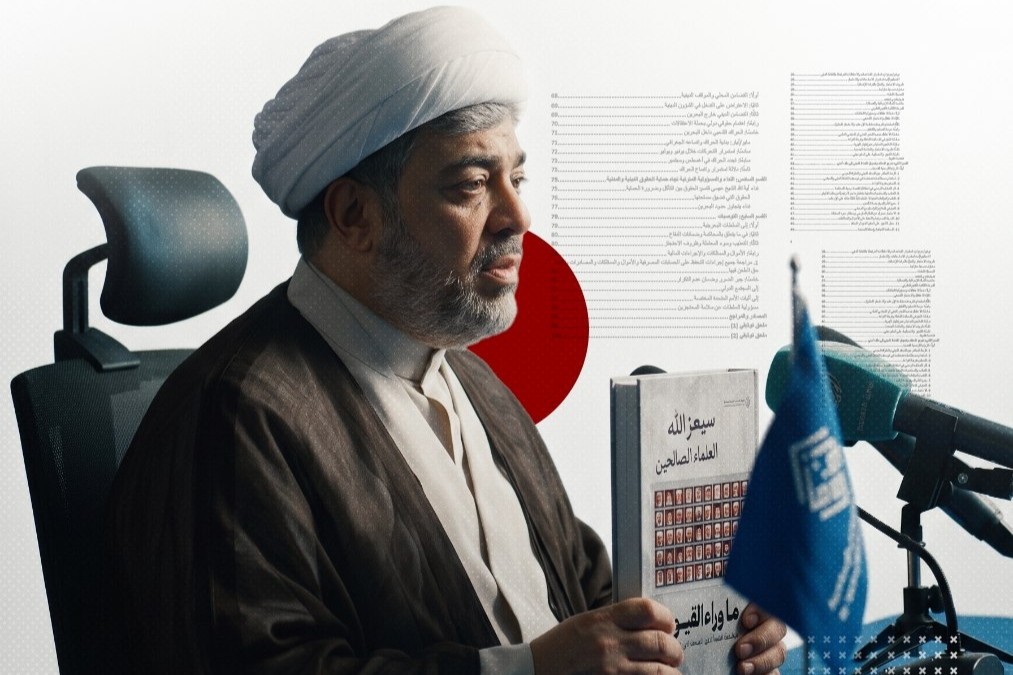

At a press conference marking the release of Beyond the Bars, a report by Bahrain’s Al-Wefaq National Islamic Society on the detention of Shia religious scholars, Sheikh Hussein Al-Daihi, Deputy Secretary-General of Al-Wefaq, warned that the arrests represent more than a series of individual cases, describing them as part of a broader campaign targeting Bahrain’s Shia community, its religious institutions, and its freedom of belief.
Opening his address, Al-Daihi explained that the report documents the circumstances of the scholars’ arrests, detention, interrogation, and trial, examining alleged violations of personal liberty, religious freedom, and the right to a defence.
He stressed that the document is based on a chronological and thematic examination of incidents, assessed against Bahrain’s own legislation and relevant international standards.
According to the report, 62 religious scholars were arrested—60 in Bahrain and two in the United Arab Emirates.
It also records more than 820 arrests during the wider period under review, from the outbreak of the war against Iran until mid-September 2026.
Al-Daihi situated the crackdown within the regional conflict, arguing that Bahraini authorities had exploited the war against Iran to pursue political objectives and punish public opinion that opposed the military campaign.
He further alleged that American and Israeli backing had emboldened the authorities, framing the measures against Shia religious figures as part of a wider regional agenda.
Al-Wefaq’s Deputy SG warned that the campaign extended beyond individual detainees to religious endowments, institutions, sermons, and the activities of clerics.
In his assessment, the pressure on these institutions threatened the community’s ability to organise and practise its religious life independently.
A central focus of the report is the fairness of the judicial proceedings. Al-Daihi alleged that confessions had been obtained through coercion, threats, and intimidation, including threats against detainees’ families.
Al Daihi also cited restrictions on lawyers’ access to defendants and case files, concerns about the circumstances in which statements were signed, and the use of religious lectures and sermons as purported evidence of criminal wrongdoing.
The report further documents incidents of mistreatment in detention, including prolonged blindfolding and the use of restraints, citing the case of senior cleric Sayyed Majid Al-Mashal.
Sheikh Al-Daihi stressed that religious belief and practice cannot, in themselves, substitute for evidence of a criminal act.
He called for the immediate release of the detained scholars, the exclusion of statements obtained under coercion, an independent and impartial international investigation into alleged abuses, and an end to measures targeting religious institutions and clerics.
Concluding his address, he warned that the case concerned not only 62 scholars, but also the right of an entire community to practise its faith with dignity and freedom.
Wefaq Newsroom • English Edition
Al-Wefaq’s Deputy SG Warns of a Campaign Targeting Bahrain’s Shia Religious Identity