
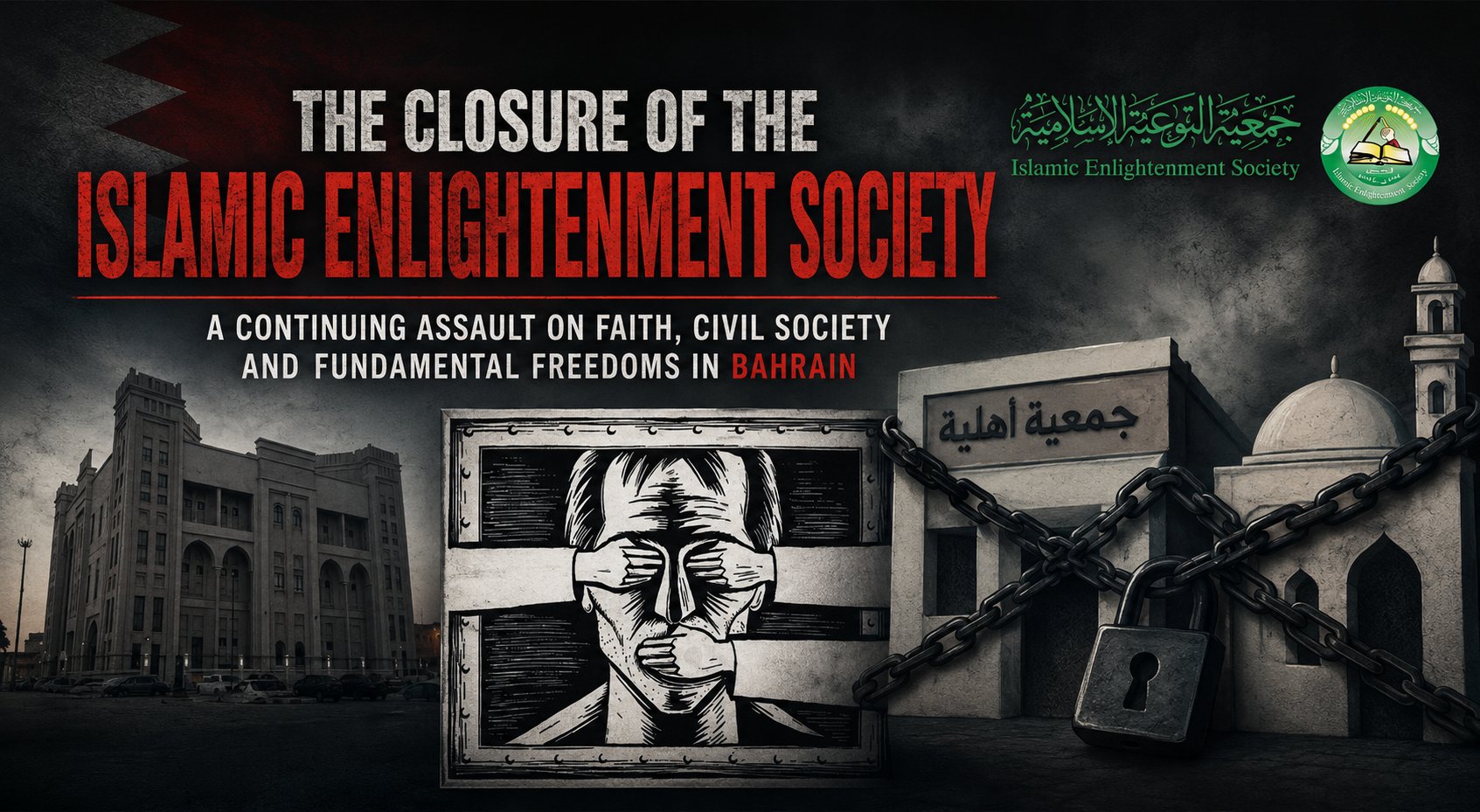
According to
ALWEFAQ
National Islamic Society, Bahrain’s regime has again targeted the Islamic Awareness Society
tawiya
— #Bahrain’s largest Shiite religious outreach and cultural institution — as part of a continuing campaign against the Shiite community and independent civic space.
The repressive move reflects a wider pattern of restrictions imposed on religious and civil institutions, raising concerns over state control, judicial intervention, and the shrinking role of independent organizations in Bahrain.
Beyond the political dispute itself, the case raises a broader and unavoidable question
— Does the state fear independent civil society?
The issue extends far beyond one association. It highlights a political environment in which religious, civic, and political organizations appear acceptable only when operating within officially defined limits.
Once independence emerges, the outcome increasingly seems familiar: dissolution, marginalization, legal proceedings, or administrative restrictions.
The Islamic Awareness Society (established in 1972) was dissolved in 2016 during a period widely regarded as one of the most severe crackdowns affecting Bahrain’s Shiite community.
The period also witnessed the dissolution of Al Wefaq Society too, and measures directed at His Eminence
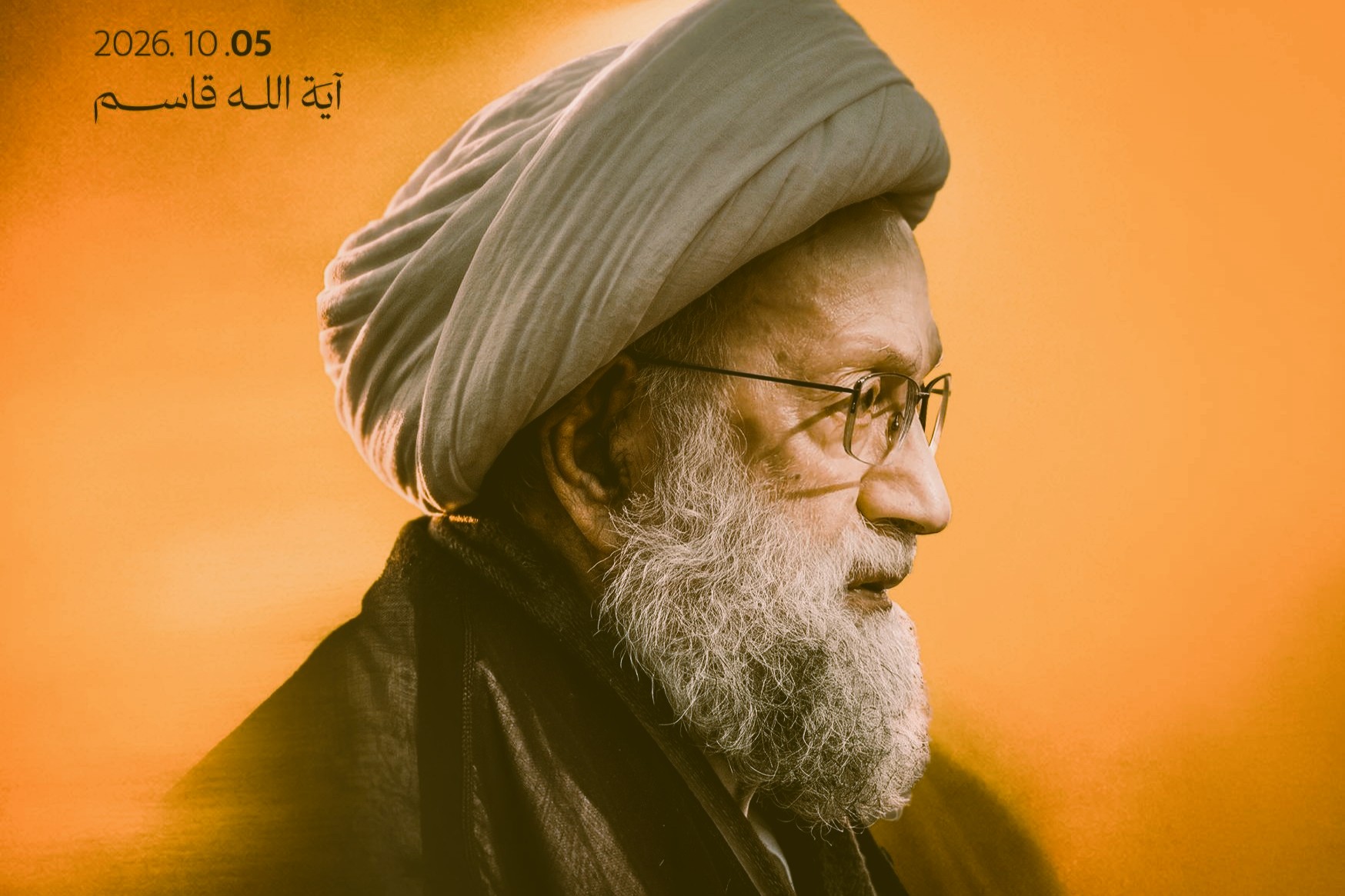
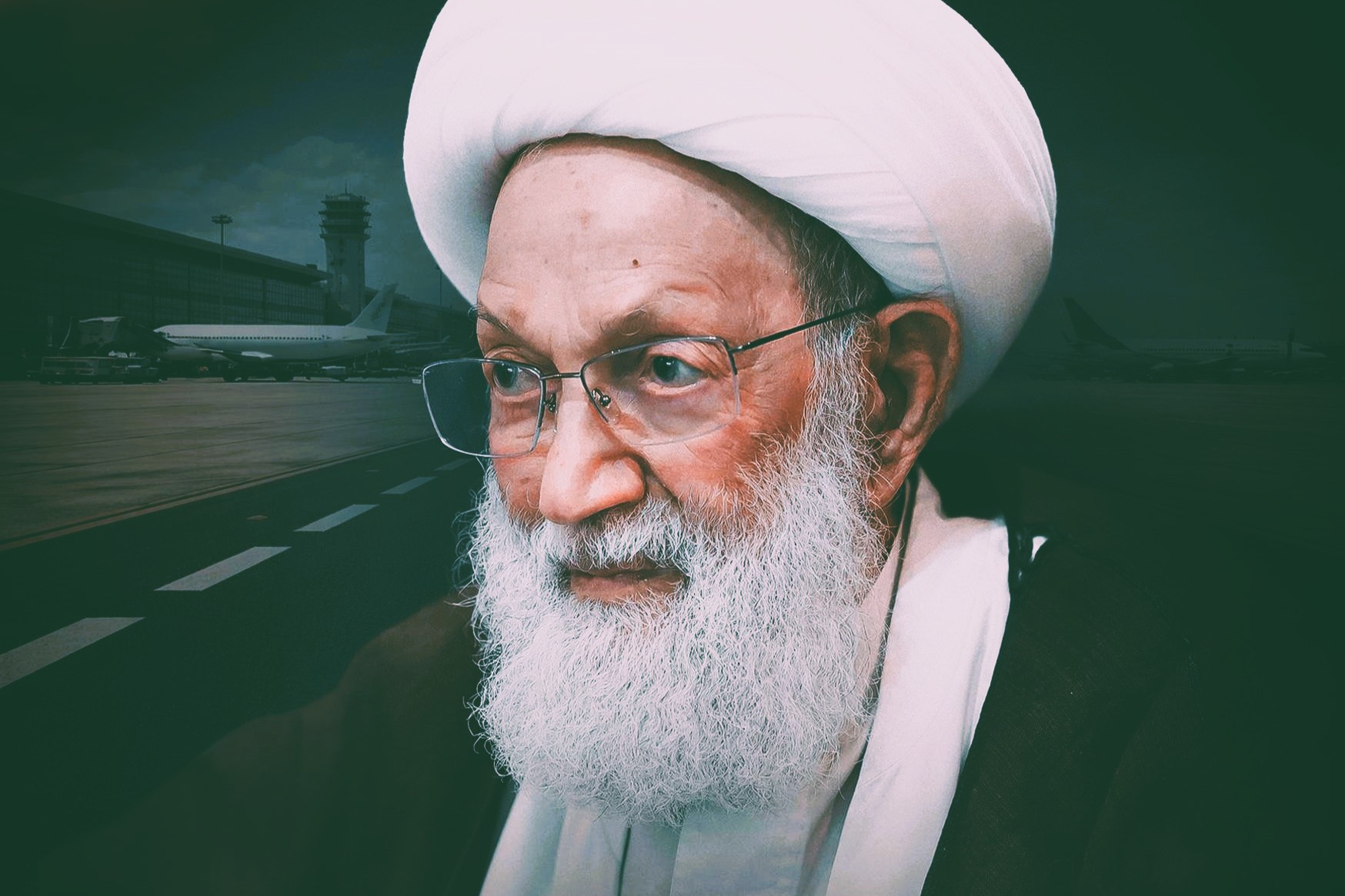
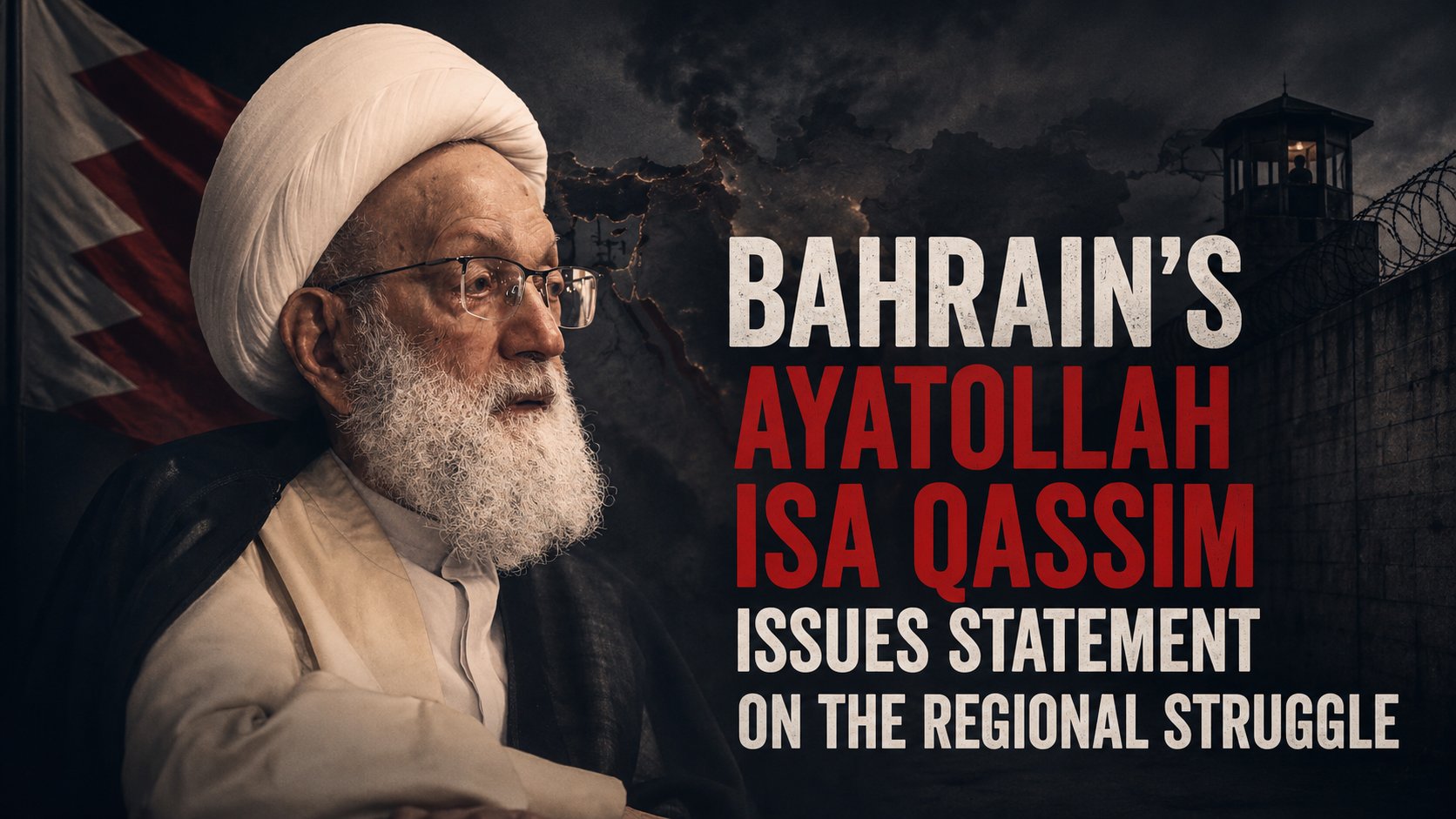
AyatollahQassim
.
Although authorities reversed the dissolution in 2022 and reinstated the society under temporary management, the deeper issue remained unresolved: independent institutions were still expected to function under extensive official oversight.
The pattern is increasingly difficult to dismiss. Civil organizations often appear to face a binary choice: align completely with state-defined frameworks or risk legal and political consequences.
Administrative shortcomings that could otherwise be addressed through guidance or corrective measures instead escalate rapidly into judicial proceedings and institutional threats.
Restrictions surrounding Friday central prayers at the Diraz Mosque further reinforce the perception that closure and restriction have replaced dialogue and accommodation.
The message appears increasingly clear: civic and religious activity is accepted only when it reflects state policy.
Independence becomes suspicion, criticism becomes liability, and pluralism is transformed into a security concern. The result is not partnership with civil society, but its systematic contraction.